
Summer Foot Safety: 7 Tips to Protect Your Feet
Summer foot safety involves protecting your feet from environmental hazards like hot pavement, fungal infections, and lack of support. Key practices include wearing shoes on the beach, applying sunscreen to the feet, choosing footwear with arch support, and staying hydrated to prevent common injuries during warm weather activities.
Why is summer foot safety important for your health?
As the temperatures rise in Pennsylvania, we often change our lifestyle and footwear habits. While summer is a time for relaxation, it is also a season where your feet are exposed to unique risks. Understanding the importance of summer foot safety is the first step in preventing long-term damage or acute injuries . When we transition from supportive boots and sneakers to flimsy sandals or bare feet, we change the way our weight is distributed across the foot's structure.
Heat plays a significant role in foot health. High temperatures can cause feet to swell, leading to friction and blisters. Furthermore, walking on hot surfaces like asphalt, sand, or pool decks can cause literal burns to the soles of the feet. Beyond the physical environment, summer is also peak season for various microbial threats. Warm, damp environments are the perfect breeding ground for bacteria and fungi, making common areas like public showers and locker rooms hotspots for developing an infection .
Focusing on safety doesn't mean you can't enjoy the season. It simply means being mindful of the mechanics of your feet. For those with existing conditions like flat feet or bunions , the lack of support in common summer footwear can exacerbate pain and lead to secondary issues like heel pain . By prioritizing preventative care, you ensure that your summer adventures aren't cut short by a preventable podiatric emergency.
How do I protect my feet at the beach or pool?
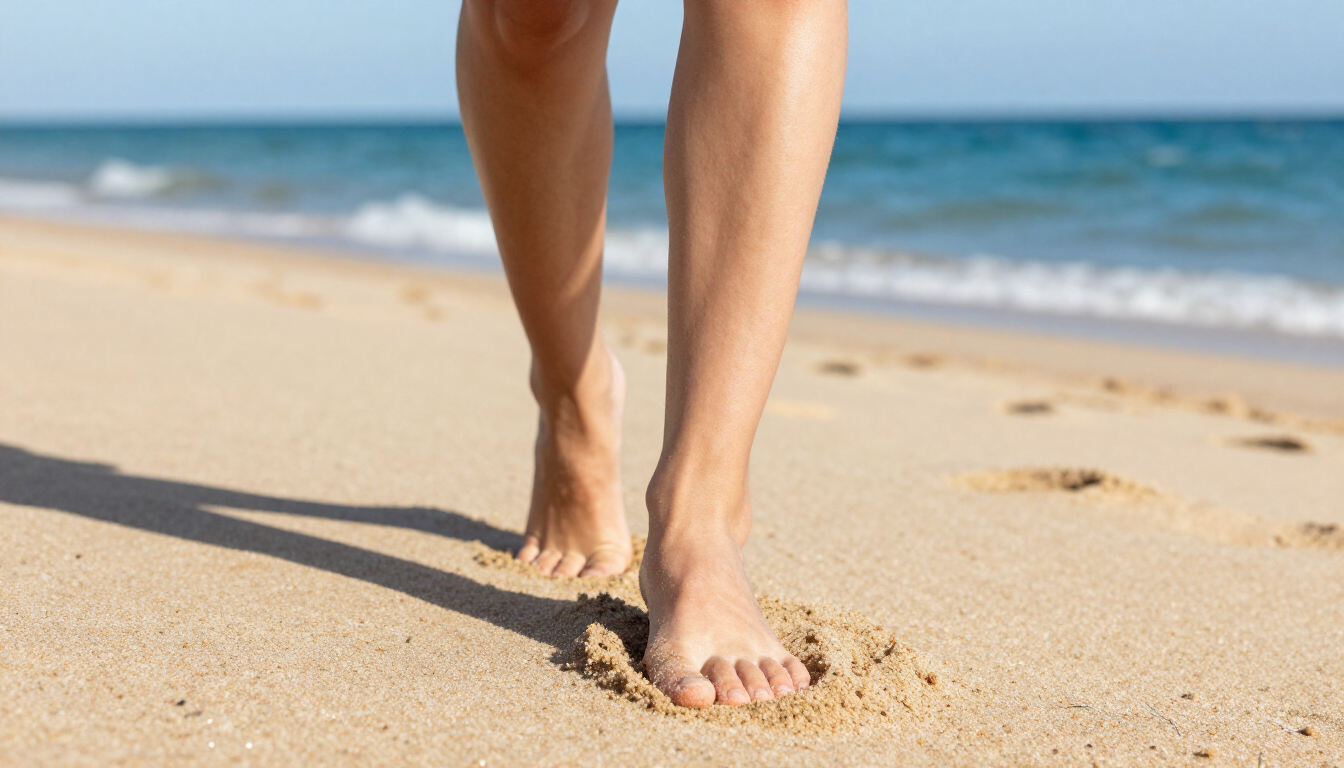
The beach and pool are iconic summer destinations, but they present several challenges to foot health. The most immediate threat is the heat of the sand. On a 90-degree day, sand can reach temperatures that cause second-degree burns. Always wear water shoes or sandals until you reach your spot on the sand.
Another concern is the presence of hidden hazards. Shells, glass, and debris can cause deep lacerations. If you do sustain a cut, it is vital to clean it immediately with fresh water and antiseptic, as ocean water and pool water contain bacteria that can lead to a serious infection . Additionally, public pool decks and showers are notorious for spreading warts and athlete's foot .
To maximize your protection, follow these steps:
- Wear footwear in common areas : Never walk barefoot in public restrooms or showers.
- Apply sunscreen to your feet : The tops of your feet are often overlooked, leading to painful sunburns.
- Dry your feet thoroughly : Fungi thrive in moisture; make sure the spaces between your toes are dry after swimming.
- Stay hydrated : Drinking plenty of water helps reduce foot swelling caused by heat.
- Check for debris : Before putting your shoes back on, ensure no sand or shells are trapped inside to prevent blisters.
Essential Summer Footwear Checklist
Choosing the right shoes is perhaps the most critical component of summer foot safety. While the urge to wear the most breathable or minimalist option is strong, your feet require structural integrity to function correctly. Without proper support, the soft tissues of the foot can become overstretched and inflamed.
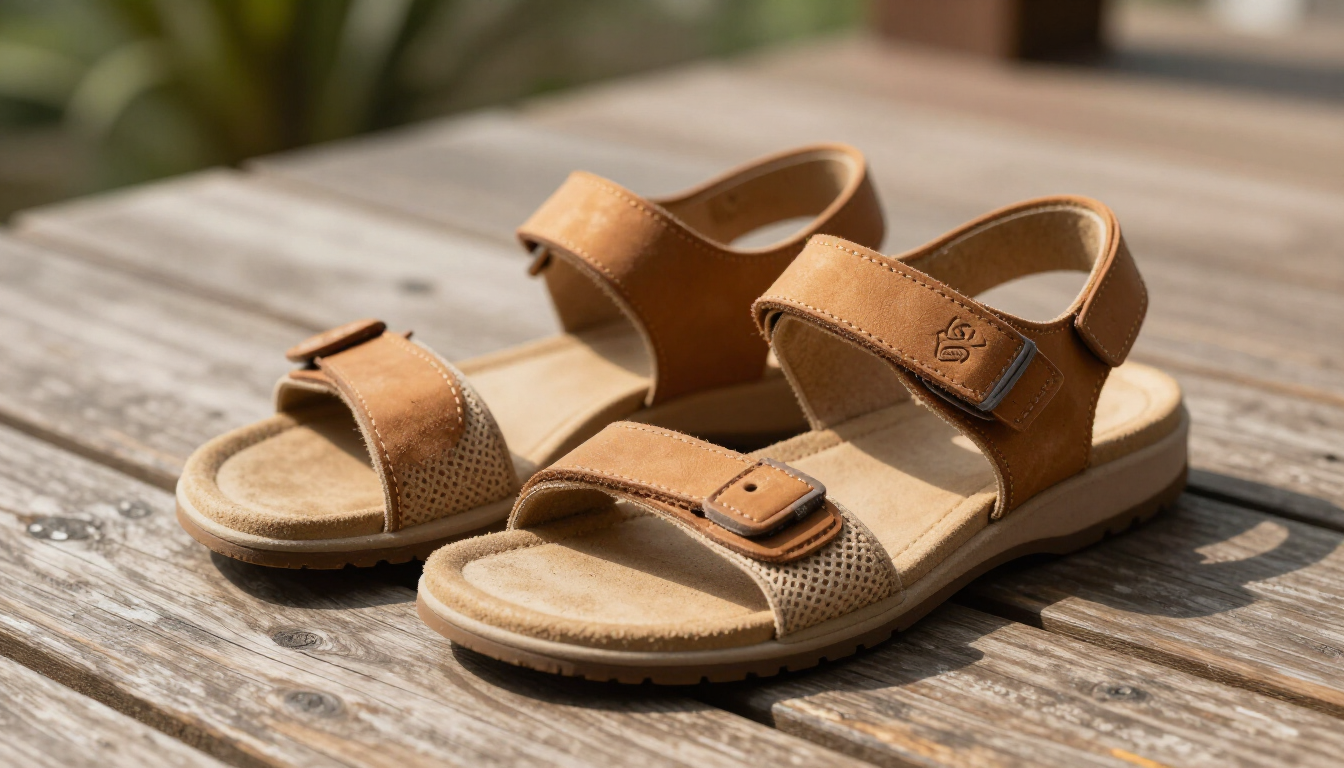
When shopping for summer shoes, look for these features:
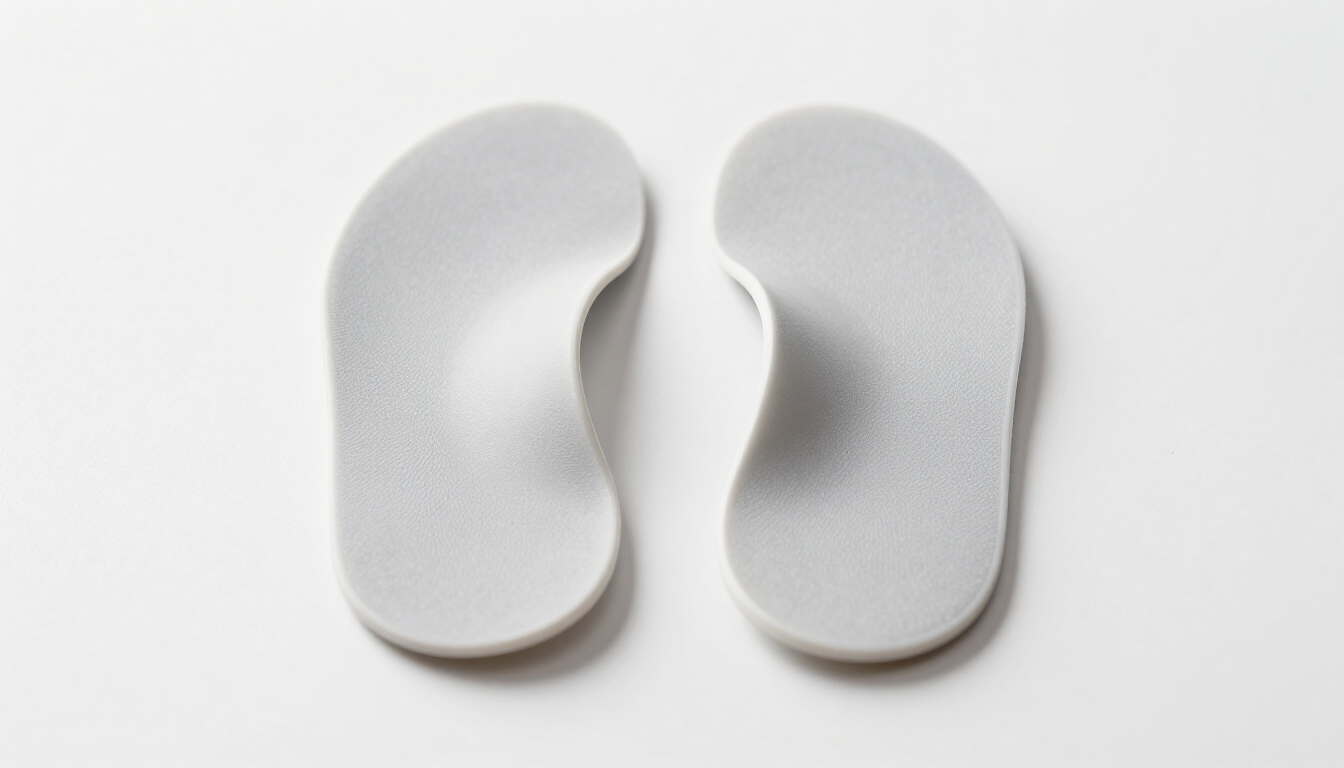
- Arch Support : A firm arch helps distribute weight and prevents plantar fasciitis .
- Heel Cushioning : Essential for absorbing the impact of walking on hard boardwalks or pavement.
- Secure Straps : Sandals should stay on your foot without you having to "clench" your toes.
- Breathable Materials : Look for leather or moisture-wicking synthetics to reduce sweat.
- Rigidity : If you can fold the shoe in half, it’s likely too flimsy for extended wear.
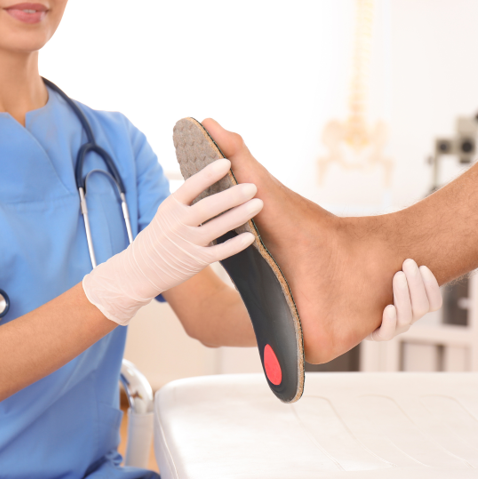
If you have specific structural concerns, such as flat feet , your requirements may be more stringent. Many high-quality sandal brands now offer built-in orthotic support, which can be a life-saver for those prone to heel pain . Remember that your footwear choice impacts not just your feet, but your ankles, knees, and lower back as well.
What are the risks of wearing flip-flops all summer?
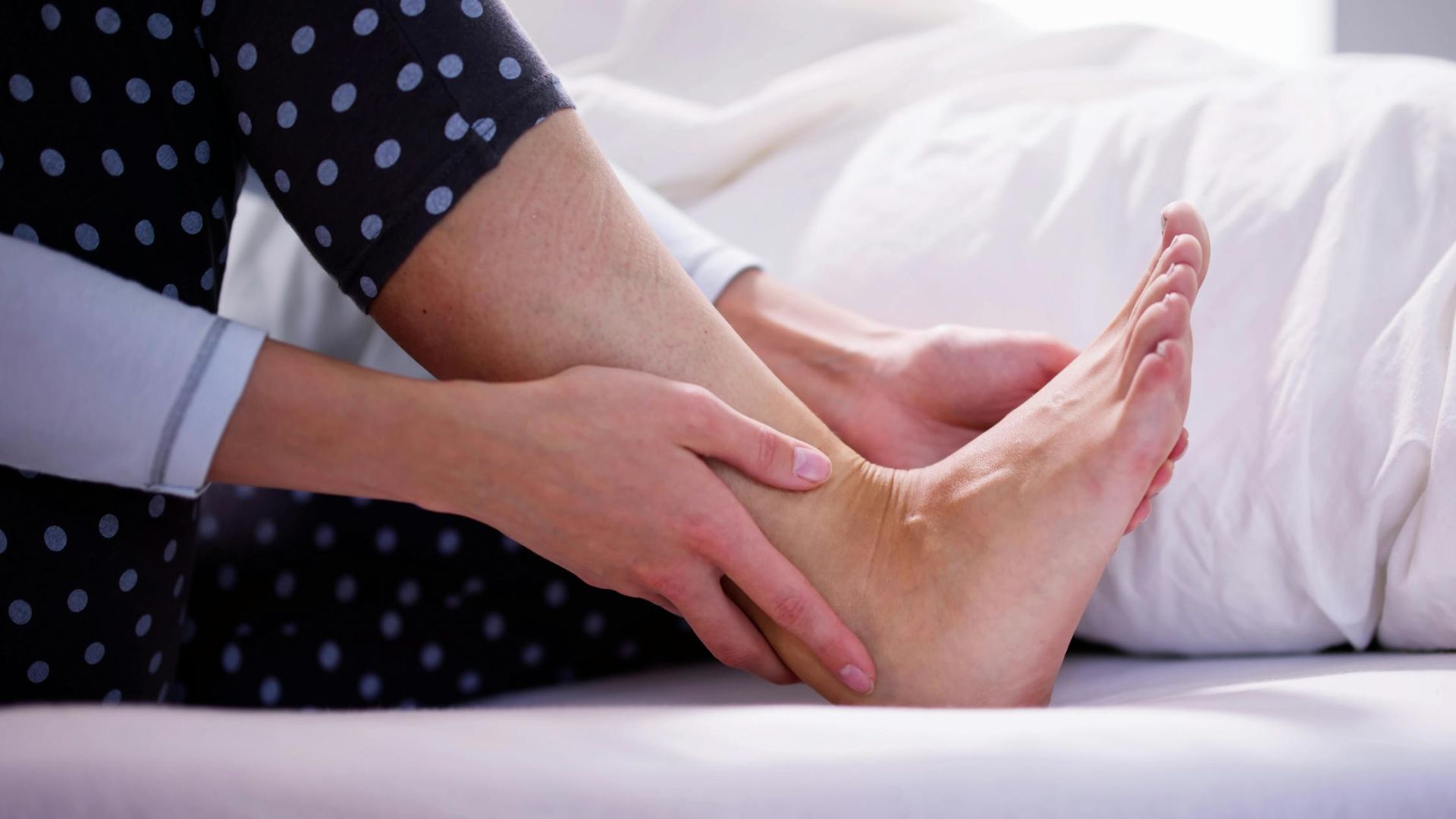
Flip-flops are the quintessential summer shoe, but from a podiatric perspective, they are often the enemy of summer foot safety. Most traditional flip-flops provide zero arch support, no lateral stability, and no shock absorption. This lack of structure forces the muscles in your feet and legs to work overtime to keep the shoe in place.
Continuous use of flip-flops can lead to several conditions:
- Plantar Fasciitis : The lack of arch support causes the thick band of tissue on the bottom of the foot to become inflamed.
- Tendonitis : The constant gripping motion of the toes can strain the tendons in the foot.
- Stress Fractures : Walking on hard surfaces without cushioning can lead to tiny cracks in the bones.
- Exacerbation of Deformities : Chronic use can worsen bunions and other toe misalignments.
While flip-flops are acceptable for short trips to the mailbox or as a barrier in a locker room, they should not be your primary walking shoe. If you must wear them, look for "orthopedic" styles that include a contoured footbed. Otherwise, you may find yourself seeking treatment for chronic heel pain as the season ends.
How can I prevent fungal infections in warm weather?
Warm weather and increased activity create the perfect environment for fungal growth. Athlete's foot and fungal toenails are two of the most common issues we see during the summer months. These infections are not just unsightly; they can be itchy, painful, and difficult to eradicate if they spread to the nail bed.
Prevention starts with keeping the feet cool and dry. Sweat is a primary catalyst for fungal issues. If you are active, consider changing your socks multiple times a day and using an antifungal powder. It is also wise to rotate your shoes, giving each pair 24 hours to dry out completely before wearing them again.
If you notice redness, scaling, or thickened, yellowed nails, it is important to seek professional help early. Over-the-counter treatments often fail to penetrate the nail, leading to persistent fungal toenails that can last for years. For those with dry, cracked skin, which can also provide an entry point for bacteria, addressing xerosis with a quality foot cream is a vital part of your summer routine.
Common Summer Foot Injuries and Treatments
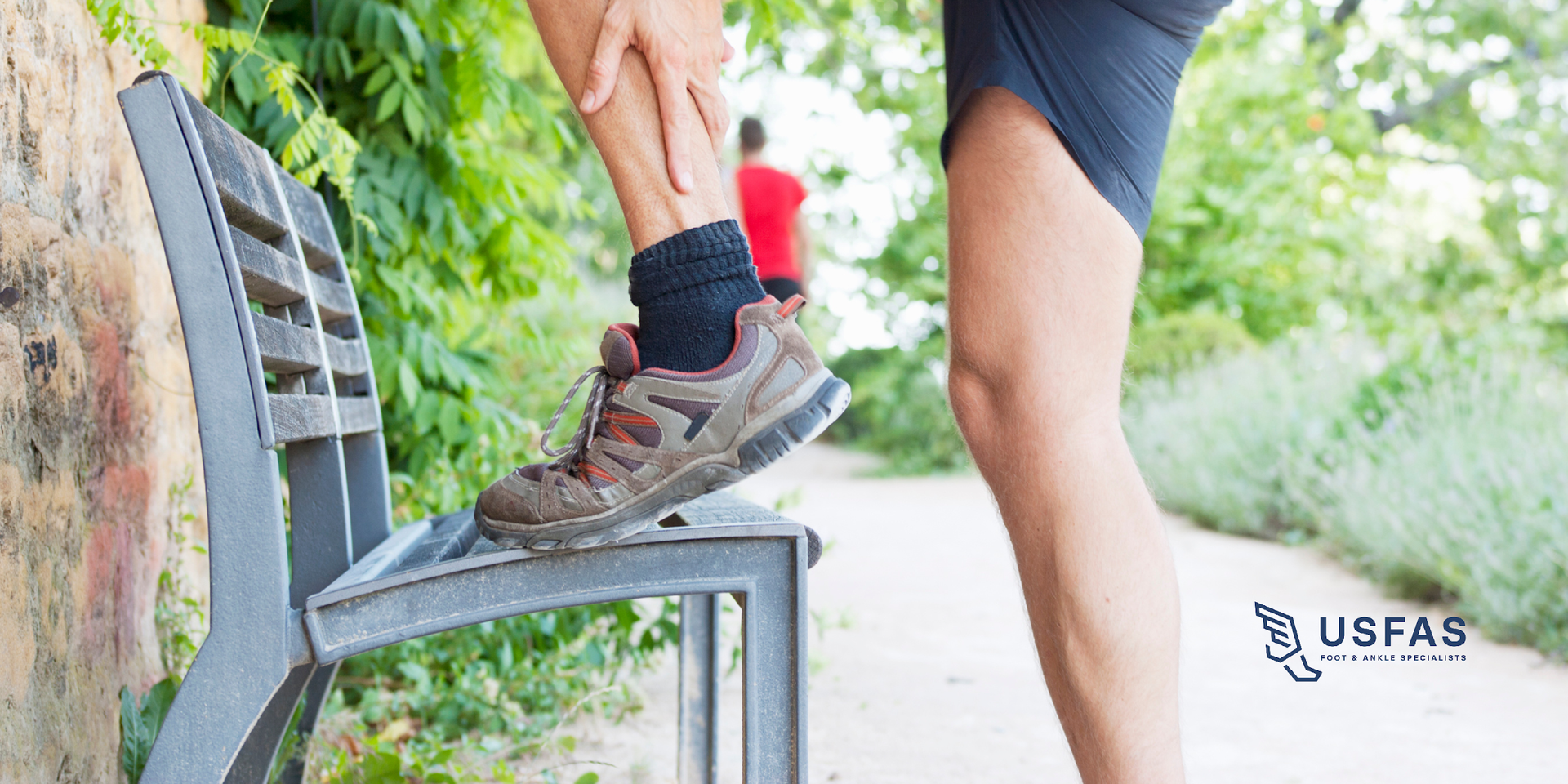
Increased outdoor activity often leads to a spike in injuries . Whether you are hiking the trails of Pennsylvania or taking up a new jogging routine, your feet and ankles are under more stress than usual. Running injuries are particularly common in the summer as people try to make the most of the long daylight hours without properly acclimating their bodies.
Some common issues include:
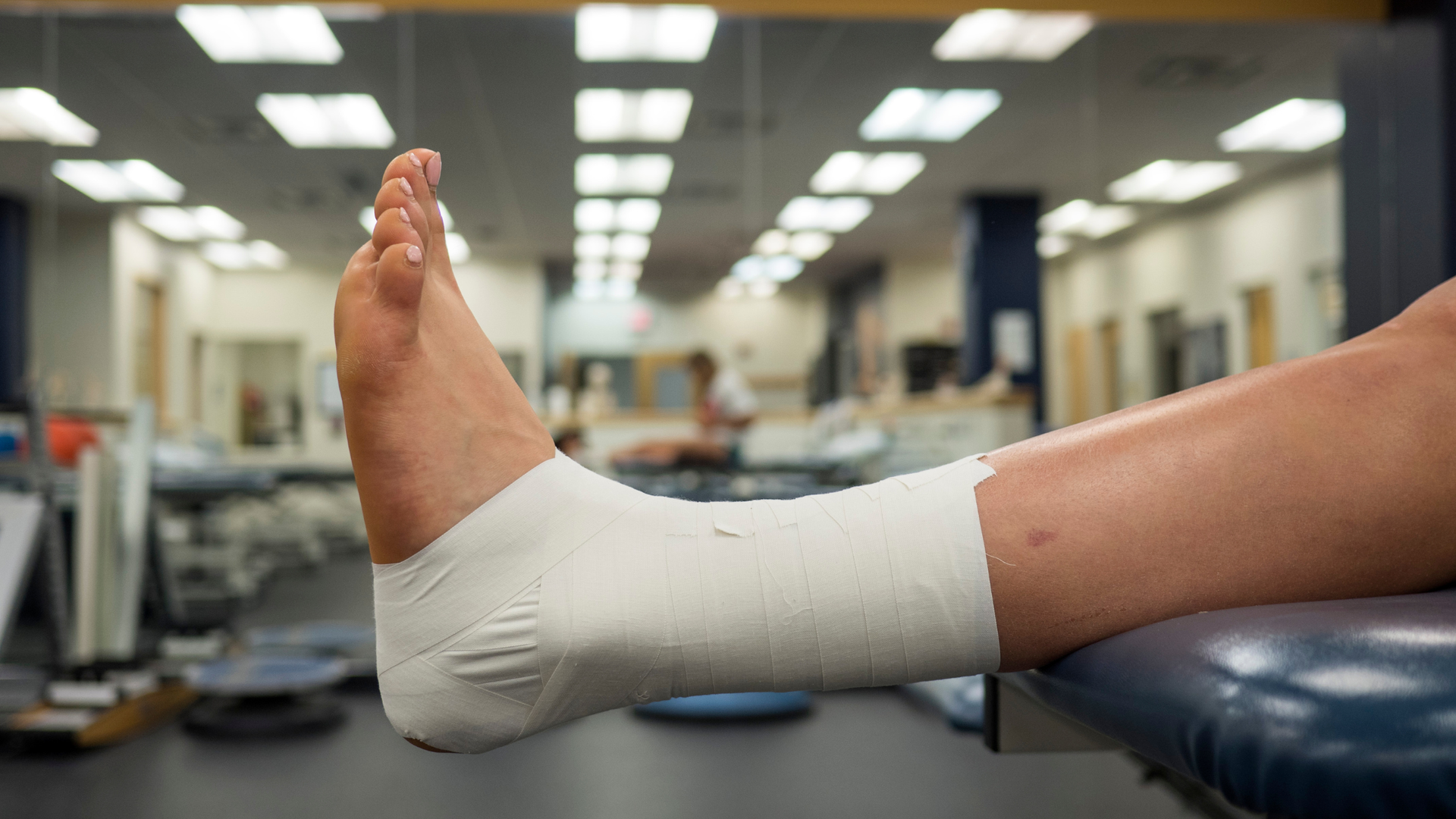
- Sprains and Strains : Uneven terrain can lead to sprains/strains that require rest and stabilization.
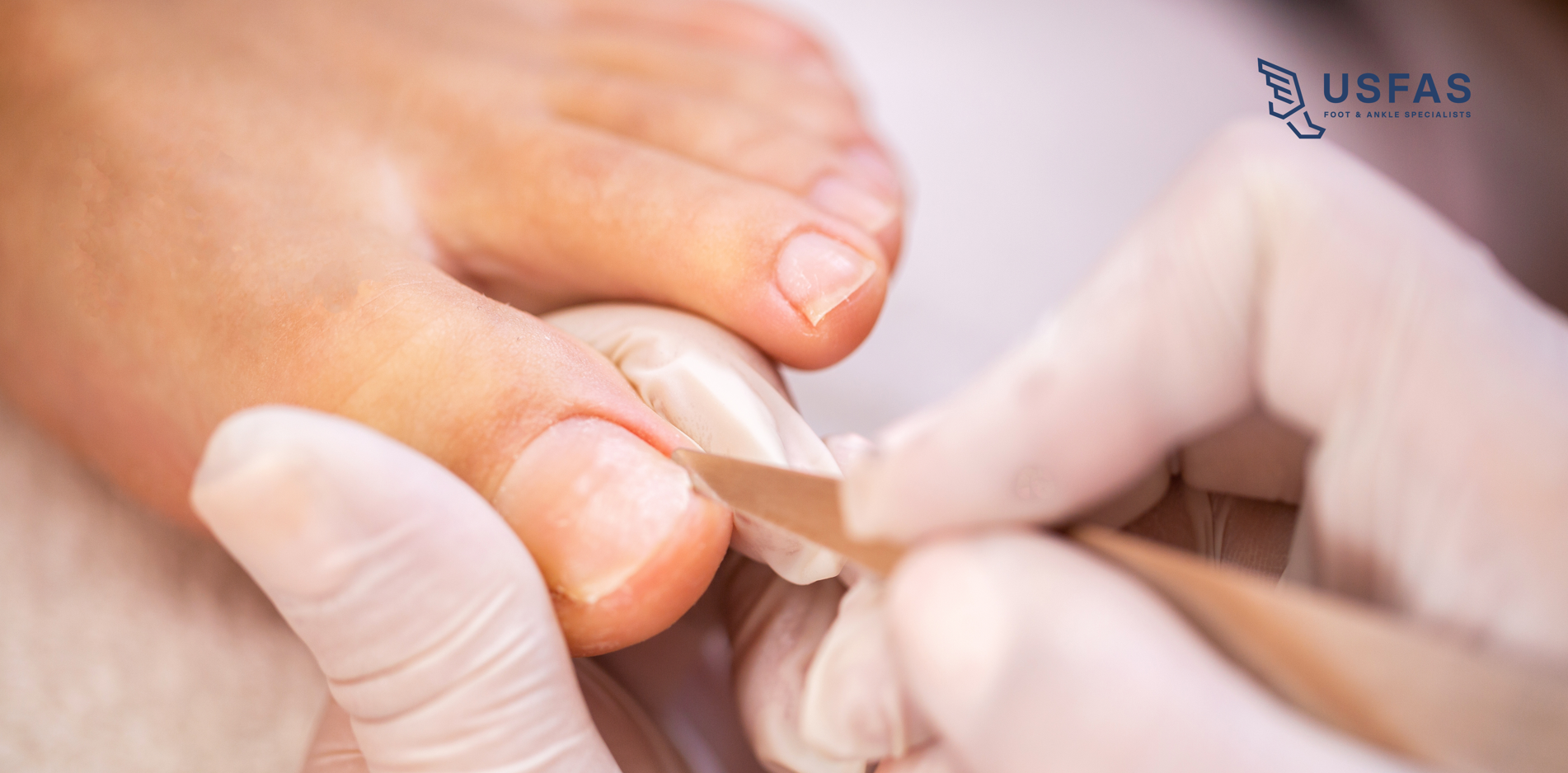
- Ingrown Toenails : Pressure from tight shoes combined with sweat can cause ingrown toenails to develop.
- Blisters : Friction from new or ill-fitting shoes can cause painful fluid-filled sacs.
- Heel Pain : Often a symptom of overuse or poor footwear choices.
For those with underlying health conditions, summer foot safety is even more critical. Individuals requiring diabetic foot care must be extremely vigilant. Neuropathy can make it impossible to feel a burn from hot pavement or a cut from a stray pebble, leading to ulcers and infections that can become life-threatening. Always inspect your feet daily and never walk barefoot if you have diabetes.
Taking the Next Step Toward Foot Health
Maintaining summer foot safety is essential for enjoying a pain-free, active season. By choosing the right footwear, protecting your skin from the sun and bacteria, and being mindful of the risks associated with bare feet, you can prevent most common podiatric issues. Remember that your feet are the foundation of your body's movement; treating them with care ensures your overall health remains a priority.
Key Takeaways for Summer Foot Safety:
- Choose support over style : Prioritize arch support and cushioning in all summer footwear.
- Protect against infection : Use shoes in public wet areas and dry your feet thoroughly to prevent athlete's foot .
- Don't ignore pain : Persistent heel pain or swelling should be evaluated by a professional.
- Sunscreen is a must : Protect the thin skin on the top of your feet from UV damage.
- Specific care for high-risk groups : If you require diabetic foot care , never go barefoot.
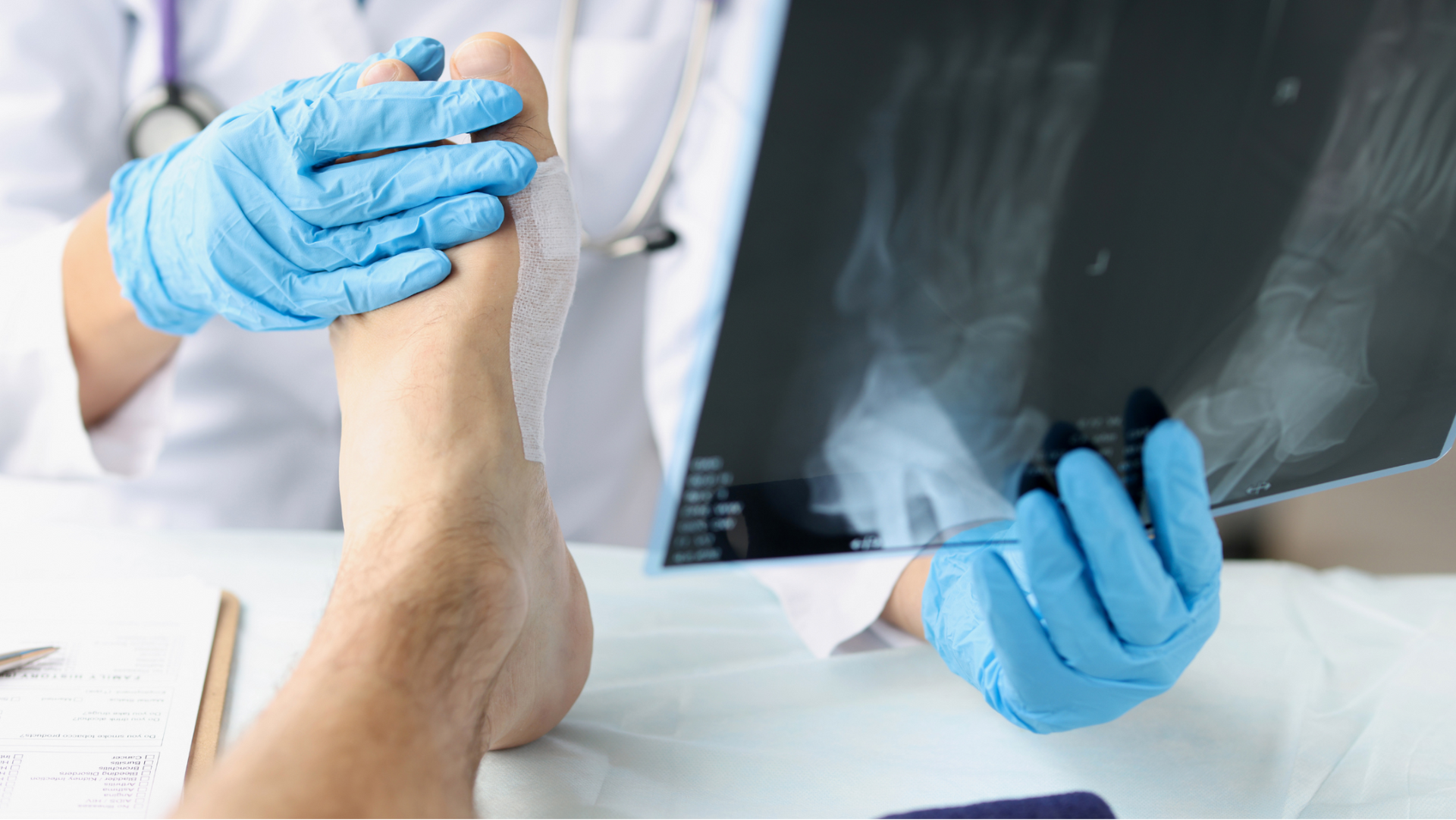
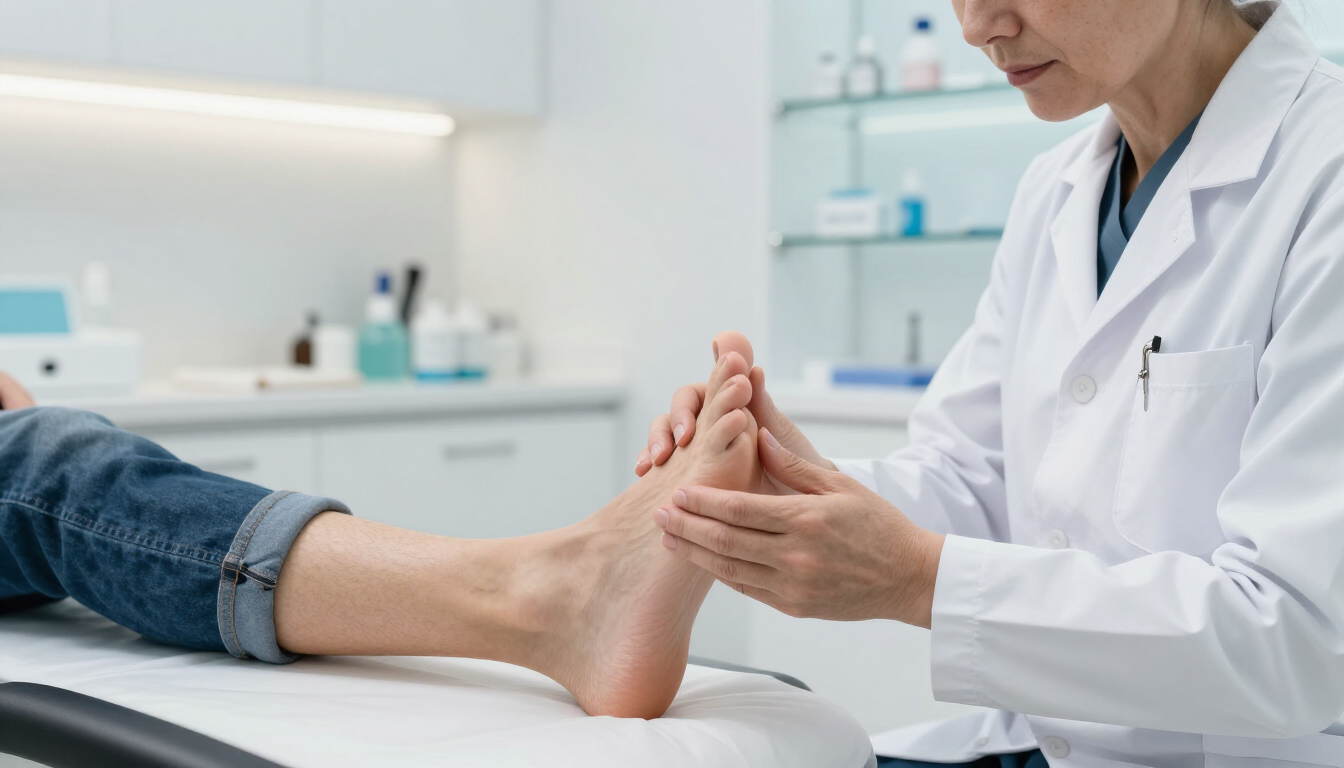
If you experience any foot or ankle pain this summer, do not wait for the season to end to seek relief. Our team is dedicated to helping you maintain an active lifestyle. Please contact us today to schedule an evaluation and keep your feet healthy all year long.