How to Treat Achilles Tendon Injuries Safely
Achilles tendon injuries affect the strong band connecting your calf muscles to your heel. They may involve irritation, overstretching, partial damage, or a complete tear. A podiatrist can identify the injury’s severity, address contributing factors, and create a personalized plan to reduce pain, restore function, and support a safe return to activity.
What causes Achilles tendon injuries?
The Achilles tendon handles substantial force whenever you walk, run, jump, or rise onto your toes. Injuries often develop when the tendon is exposed to more stress than it can comfortably tolerate. Common causes include:
- A sudden increase in running, jumping, or sports activity
- Repetitive impact without adequate recovery
- Tight calf muscles or limited ankle flexibility
- Poor footwear, uneven surfaces, or altered foot mechanics
- A sudden push-off, pivot, or landing
Age, previous tendon problems, certain medications, and conditions that affect circulation or tissue health may also influence risk. Achilles tendon pain can begin gradually, or it may appear suddenly with a distinct “pop” and immediate difficulty walking.
What are the symptoms of an Achilles tendon injury?
Symptoms depend on whether the problem is irritation, a strain, or a partial or complete tear. Possible signs include:
- Pain, stiffness, or tenderness above the heel
- Swelling or thickening along the tendon
- Pain that worsens during running or stair climbing
- Weakness when pushing off or standing on tiptoe
- Bruising, a sudden pop, or inability to walk normally
Persistent pain should not be ignored. You can learn more about related conditions on our Achilles Tendonitis page or review other common injuries treated by our foot and ankle team.
When should you see a podiatrist?
Schedule an evaluation when Achilles tendon pain lasts more than a few days, limits your normal activities, or repeatedly returns after exercise. Prompt care is especially important if symptoms followed a sudden injury.
Seek urgent medical attention if you experience:
- A sudden pop or snap in the back of the ankle
- Immediate swelling or bruising
- An inability to push off, walk, or stand on your toes
- A visible gap or unusual contour in the tendon
- Severe pain after a fall, jump, or forceful movement
A complete rupture may require urgent immobilization and consultation about surgical or nonsurgical care. Avoid testing the tendon through running or forceful stretching until it has been evaluated.
How does a podiatrist diagnose Achilles tendon injuries?
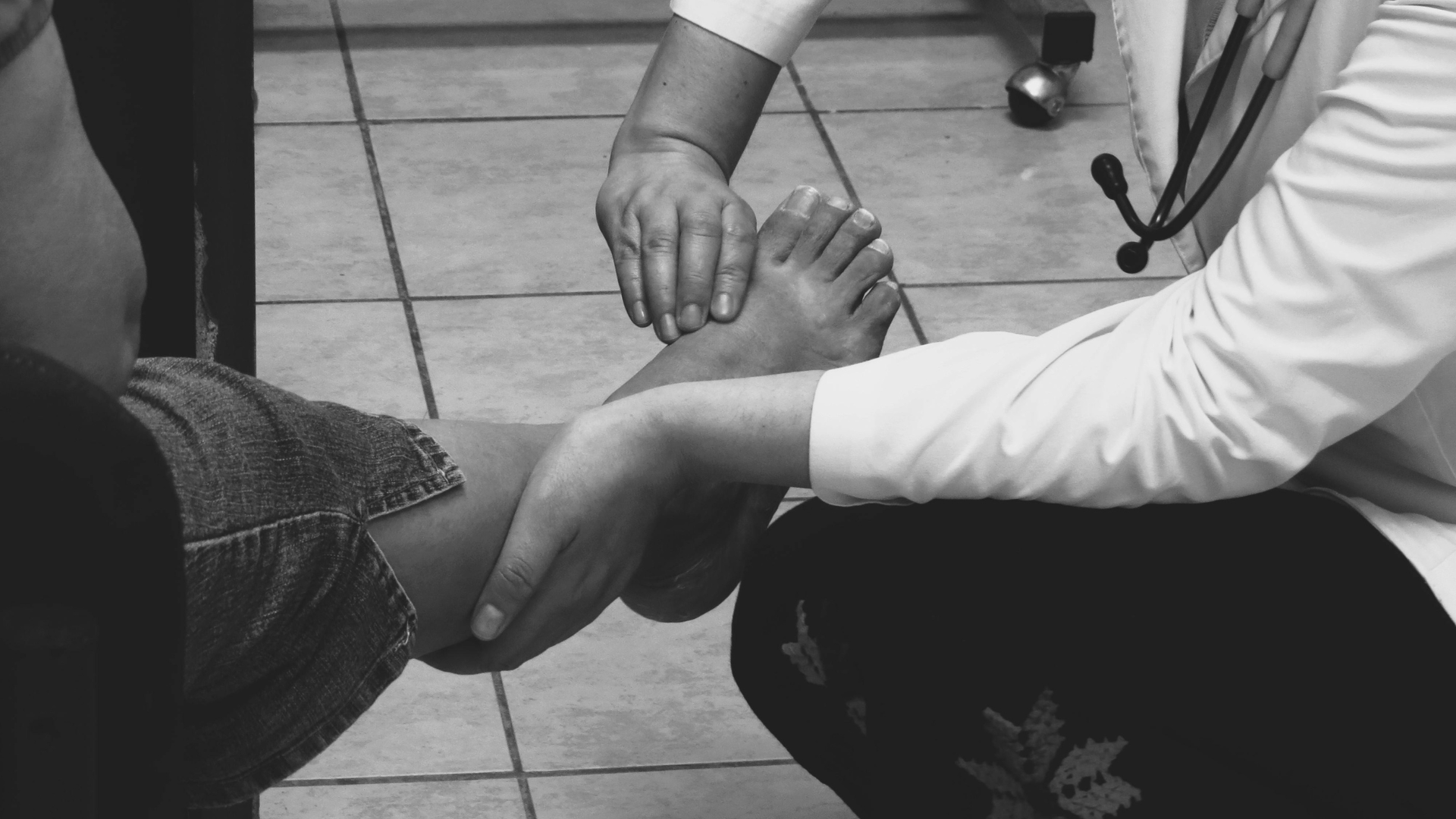
Diagnosis begins with your history and a physical examination. Your podiatrist will ask when symptoms began, what activities make them worse, and whether you felt a pop or sudden loss of strength. The examination may assess tenderness, swelling, walking mechanics, ankle motion, calf strength, and the tendon’s continuity.
Imaging is not always necessary, but an ultrasound or MRI may help clarify the extent of tendon damage or distinguish an Achilles problem from another condition. An X-ray can sometimes identify bone changes or an associated injury. Diagnosis helps determine whether a gradual rehabilitation plan is appropriate or whether more urgent treatment is needed.
Treatment options
Treatment is based on the injury’s severity, your activity goals, overall health, and how symptoms respond. A podiatrist may recommend:
- Activity modification: Temporarily reducing running, jumping, hills, or other aggravating activities allows irritated tissue to settle.
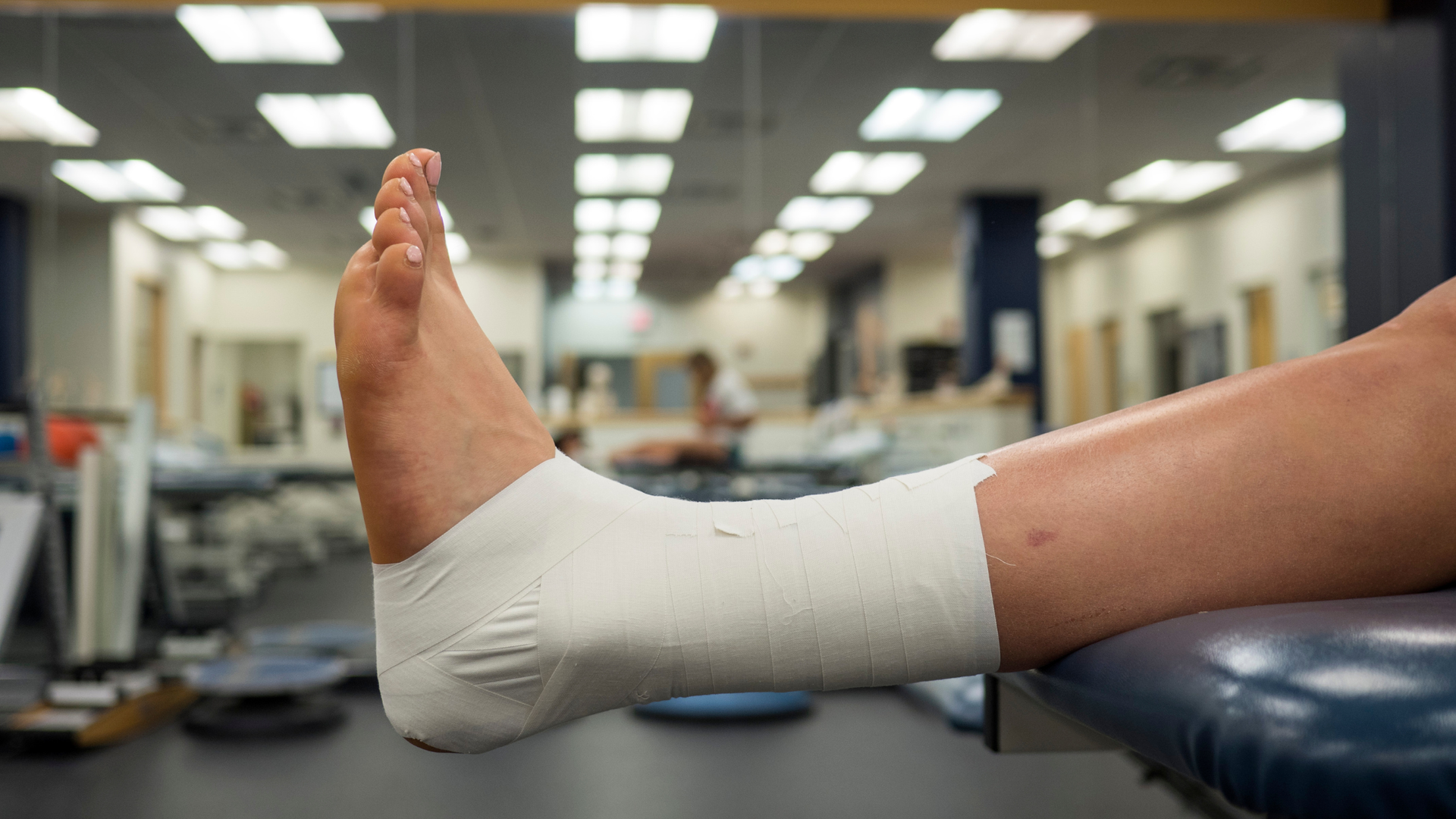
- Support and protection: Heel lifts, supportive footwear, bracing, or temporary immobilization may reduce strain while the tendon heals.
- Rehabilitation: Guided exercises can gradually improve calf flexibility, strength, balance, and tendon capacity. Progression should be controlled rather than rushed.
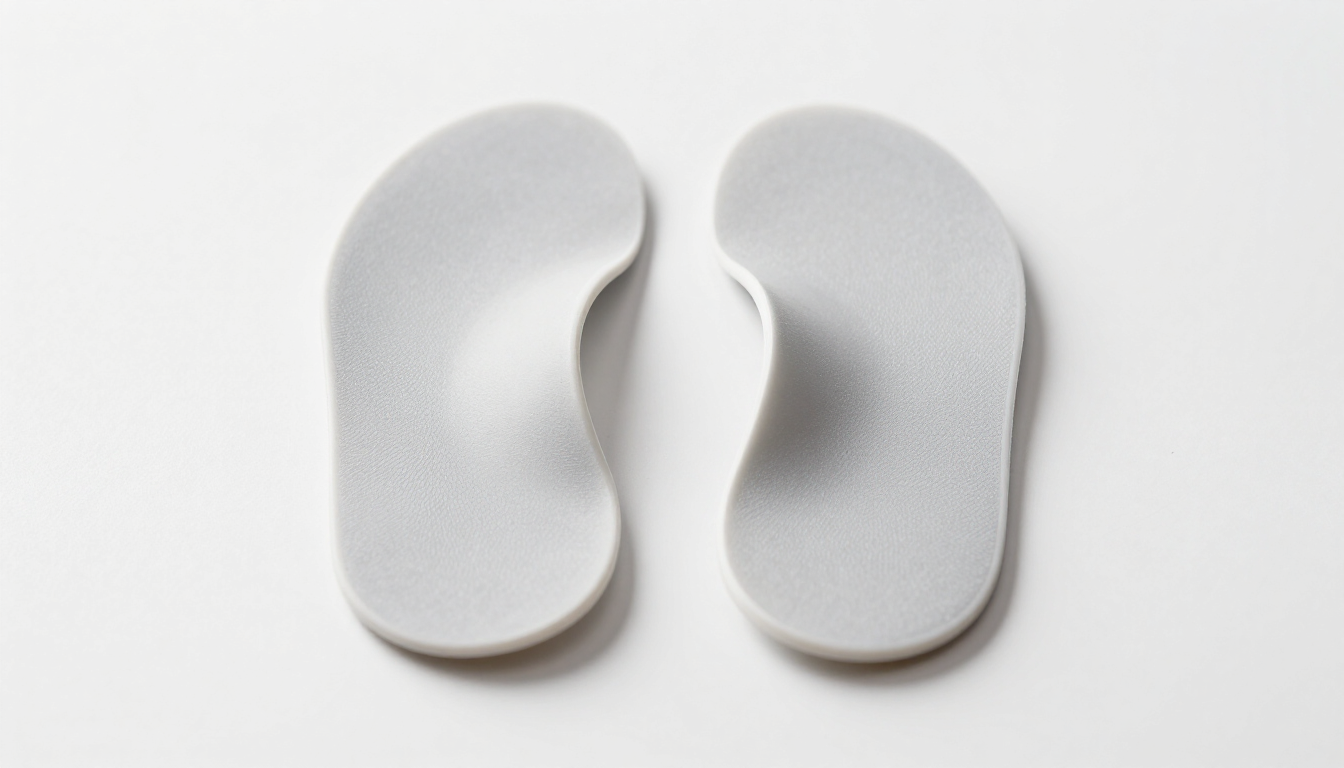
- Foot and gait evaluation: Biomechanical assessment may identify alignment or loading patterns that contribute to repeated stress. Custom orthotics may be appropriate in selected cases.
- Referral when needed: Severe tears or injuries that do not improve may require an orthopedic or other specialist referral.
Ice, elevation, and appropriate pain management may help with early symptoms, but they do not replace an examination when pain is significant or persistent. Treatments should be individualized; an exercise or device that helps one patient may not be suitable for another.
How long does Achilles tendon recovery take?
Recovery varies widely. Mild irritation may improve over several weeks with appropriate load management, while a significant strain or tear can require several months of rehabilitation. A complete rupture may involve a longer recovery and a carefully supervised return to normal activity.
The timeline depends on:
- The location and severity of the injury
- How soon treatment begins
- Your work, sport, and daily activity demands
- Whether contributing mechanics or footwear issues are addressed
- Consistency with the recommended rehabilitation plan
Improvement in pain does not always mean the tendon is ready for maximum activity. A gradual progression—from walking to low-impact exercise, then to sport-specific movement—can help reduce reinjury risk.
Preventing future Achilles tendon problems
Prevention focuses on managing load and improving the conditions under which the tendon works. Helpful habits include:
- Increase activity gradually instead of making abrupt training changes.
- Warm up before vigorous exercise and build calf strength over time.
- Wear activity-appropriate shoes with adequate support and cushioning.
- Vary high-impact workouts with lower-impact recovery days.
- Address recurring pain early rather than training through it.
Runners and athletes may benefit from reviewing our guidance on running injuries , as well as information about tendonitis . If pain keeps returning, a professional biomechanical evaluation can identify factors that self-care may miss.
What should you do next?
Achilles tendon injuries are easier to manage when they are assessed early and treated according to their severity. Do not ignore ongoing pain, swelling, weakness, or a sudden pop—especially if walking or pushing off is difficult. A podiatrist can determine the likely cause, recommend appropriate support and rehabilitation, and refer you when advanced care is necessary. Until you are evaluated, reduce painful impact activities and avoid forcing stretches or exercises. Contact our office to schedule an appointment and begin a personalized plan for restoring comfortable, confident movement.